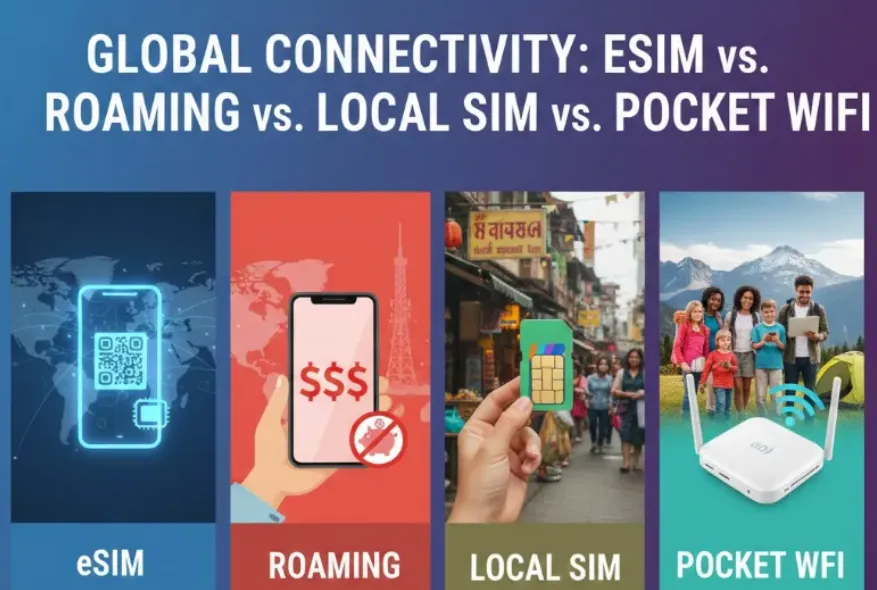
Planning an international journey comes with a long to-do list, and securing reliable, affordable mobile internet access is one of the most critical. Gone are the days when expensive carrier roaming was your only option. Today, travelers face a bewildering array of choices: the convenience of a digital eSIM, the traditional security of a local SIM card, or the shared connectivity of a Pocket WiFi device. Each of these global connectivity solutions offers a different balance of cost, ease of use, and network performance. But which option truly delivers the best value and experience for your specific trip? This comprehensive guide breaks down the pros and cons of an embedded SIM, data roaming plans, physical local operator cards, and portable Wi-Fi hotspots, helping you cut through the confusion to find the perfect mobile data strategy for your next adventure.
Quick Comparison Table
Here’s a breakdown of four main options: eSIM, Data Roaming, Local Prepaid SIM, and Pocket WiFi. I'll compare them based on cost, convenience, data speed, and flexibility.
|
Feature |
eSIM |
Data Roaming |
Local Prepaid SIM |
Pocket WiFi |
|
Convenience |
⭐⭐⭐⭐⭐(Buy online, instant setup) |
⭐⭐⭐⭐⭐(It just works) |
⭐⭐(Find store, register, install) |
⭐⭐⭐ (Must carry & charge device) |
|
Cost-Effectiveness |
⭐⭐⭐⭐(Affordable, transparent plans) |
⭐(High pay-as-you-go rates) |
⭐⭐⭐⭐⭐(Cheapest data locally) |
⭐⭐⭐(Cost-effective for groups) |
|
Data Speed |
⭐⭐⭐⭐(Uses local networks) |
⭐⭐⭐(Can be throttled) |
⭐⭐⭐⭐⭐(Full-speed local network) |
⭐⭐⭐⭐(Uses local networks) |
|
Local Number |
❌ |
❌ |
✅ |
❌ |
|
Keep Your Number |
✅ |
✅ |
❌ |
✅ |
|
Multi-Device Use |
❌ |
❌ |
❌ |
✅ |
|
Phone Compatibility |
Requires modern smartphone (iPhone XS/Google Pixel 3 and newer) |
Universal (Works on any compatible phone) |
Universal (Requires unlocked phone) |
N/A (Separate device, phone is not locked) |
|
Multi-Country Travel |
⭐⭐⭐⭐⭐ |
⭐⭐⭐ |
⭐ |
⭐⭐⭐⭐ |
|
Best For |
Frequent travelers, short trips, multi-country trips, and those who need to keep their home number active. |
Emergency use, those prioritizing convenience over cost. |
Budget travelers, long-term stays, needing a local number. |
Families, groups, travelers with multiple devices. |
Quick Recommendation:
If you want the fastest recommendation:
🏆 Best for Most Travelers (Solo/Couples): eSIM
Why: The perfect balance of convenience, cost, and instant activation. No physical SIM needed.
👨👩👧👦 Best for Families & Groups: Pocket WiFi
Why: One device connects everyone, sharing the cost.
💰 Best for Budget & Long-Term Stays: Local Prepaid SIM
Why: Cheapest data rates if you're staying for weeks or months.
🤔 Best for Short Trips & Maximum Convenience: Data Roaming Pass
Why: Zero effort. Just turn on your phone and use it. Good for trips under 5 days if your carrier offers a cheap daily pass.
Detailed Breakdown of Each Option
1. eSIM (Digital SIM)
An eSIM (embedded SIM) is a digital SIM.You can buy and activate a mobile plan online by scanning a QR code, which connects your phone to the network instantly. It functions just like a traditional SIM but is entirely digital, so there's no physical card to handle.It's the perfect solution for travelers wanting instant connectivity and for residents looking to simplify their device setup.
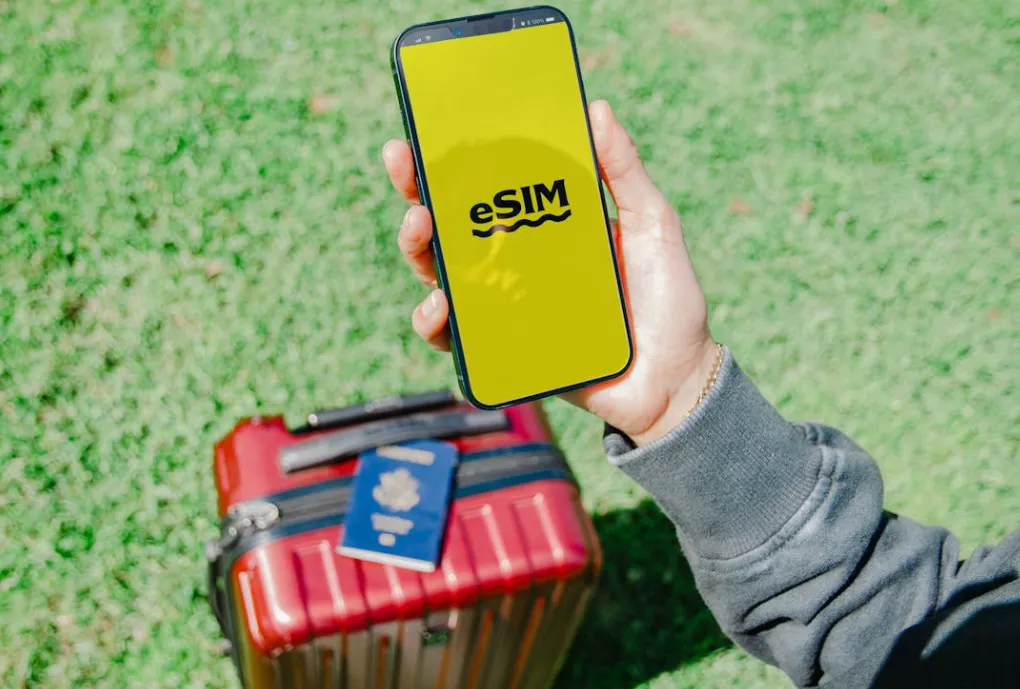
How it Works: Check if your phone is unlocked and supports eSIM. Use an app (like Airalo, Holafly, or Ubigi) to browse and purchase a data plan. Install it by scanning a QR code. You can usually keep your home number active for calls/texts.
Pros (Advantages):
- Ultimate Convenience: Purchase and install instantly via a QR code or app, often before you even leave home. No physical swapping required.
- Dual SIM Capability: Allows you to keep your home SIM active for receiving important calls/texts (like bank verification SMS) while using the eSIM for cheap data.
- Flexibility: Easy to switch between plans/carriers. Often offers multi-country/regional plans.
- Cost-Effective: Often cheaper than roaming.
Cons (Disadvantages):
- Compatibility: Requires a newer, compatible (e.g., iPhone XS/XR or later, select Androids) and unlocked device.
- Data Only: Most plans are data-only; a local number for calls/texts is rare.
- Limited Data: Plans usually have fixed data caps (e.g., 5GB, 10GB). Unlimited options exist but are often more expensive.
- Some countries limit foreign eSIM activation (activate before landing).
Recommendation: This is the modern traveler's choice. Ideal for short-to-medium trips (1-3 weeks) across single or multiple countries where you primarily need reliable internet (maps, messaging, social media).
2. Data Roaming (Your Home Carrier)
Data roaming is the use of your mobile device's internet service while connected to a network other than your carrier's, which typically occurs when you are outside of your home network's coverage area, such as when traveling internationally.This involves using your existing domestic phone plan abroad, either through a standard pay-as-you-go rate or an add-on travel package purchased from your home carrier (e.g., AT&T, Vodafone, China Mobile). But it can also lead to significant extra charges if your plan doesn't include international coverage.

How it Works: Usually, you just arrive and turn on "Data Roaming" in your phone settings. This connection allows you to use services like browsing the web, using apps, sending texts, and making calls as you normally would.Warning: This can be very expensive if not pre-arranged.
Pros (Advantages):
- Zero Setup: The easiest option—it works automatically when you land.
- Keep Home Number: Use your own number for all calls, texts, and data seamlessly.
- Some carriers offer affordable daily/weekly passes.
Cons (Disadvantages):
- Extremely Expensive: Pay-as-you-go roaming rates can be astronomical, leading to "bill shock." Travel packages are often restrictive or have high daily fees.
- High Risk of Bill Shock: It's very easy to exceed data limits or incur charges if you forget to activate a plan.
- Throttled Speed: Speeds are often slower than local options, especially after hitting a daily data limit.
Recommendation: Only suitable for emergencies or very short, critical business trips where the cost is negligible compared to the importance of immediate, seamless connection. Avoid for casual use.
3. Local Prepaid SIM Card
This is the traditional method: buying a physical SIM card from a local mobile operator upon arrival.A local prepaid SIM card is a physical card that gives you access to a mobile carrier's network in a specific country without a contract. You pay for the service upfront, which depletes as you use the included data, calls, and texts. This is a flexible, pay-as-you-go option for both residents and travelers, as you can choose a plan that fits your usage needs and avoid roaming charges by getting a local number.
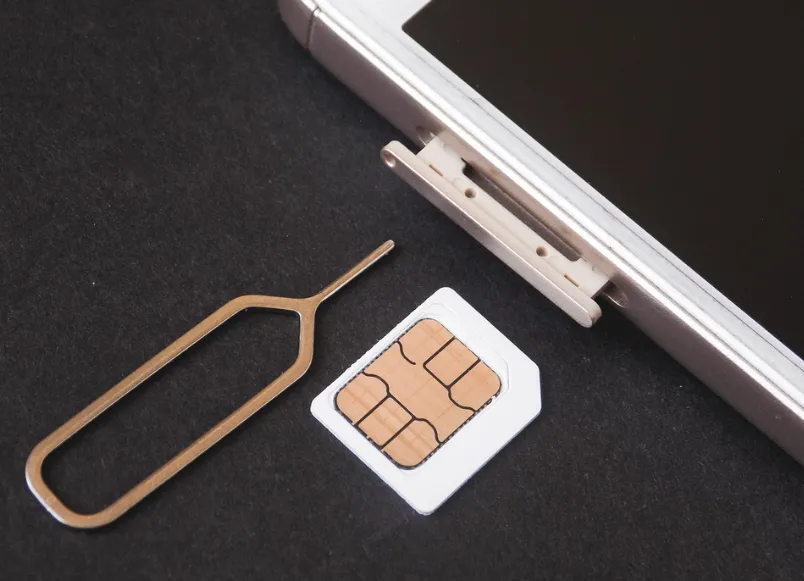
How it Works: Find a mobile carrier store or kiosk at the airport or in town. Present your passport (for registration), buy a SIM, and have it installed.You can also order the SIM card online before your trip and have it delivered to you
Pros (Advantages):
- Convenient activation: You can often purchase and activate them online, in a local store, or at the airport, and they are simple to set up.
- No contract: Prepaid plans do not require a long-term commitment, which is ideal for short-term visitors or users who want flexibility.
- Cheapest Rates: You get local prices, which are typically the lowest possible for the country.
- Local Phone Number: Provides a local number for making restaurant bookings or receiving local calls/texts.
- Best Local Coverage/Speed: You connect directly to the best local network without a third-party reseller.
Cons (Disadvantages):
- Setup Hassle: Setup can be a language barrier in some countries.
- Lose Home Number: Your primary SIM must be removed and stored safely, meaning you lose access to calls/texts on your original number.
- Single Country: Only works in the country where you bought it.
- Unlocked Phone Required: Your phone must be factory unlocked to accept a foreign SIM.
Recommendation: The best option for extended travel (over 3 weeks) or travelers who want a fully native experience and local phone number.
4. Pocket WiFi (Portable Router)
A pocket Wi-Fi is a small, portable wireless router that creates a private Wi-Fi network by connecting to a cellular network, like a phone does. This allows you to connect multiple devices, such as smartphones, laptops, and tablets, to the internet on the go, much like a home router, but it fits in your pocket and doesn't require cables or installation. It works using a SIM card and a data plan to turn a 4G or 5G cellular signal into a personal Wi-Fi hotspot.
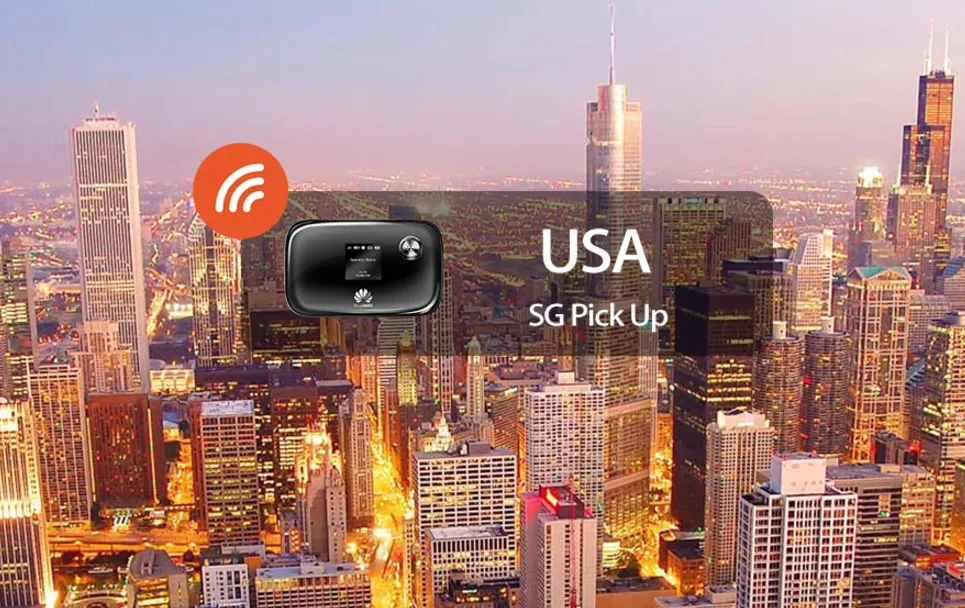
How it Works: Rent online(such as: Klook/KKday) before your trip and pick it up at the airport, or have it delivered to your hotel. Once connected, it creates a personal Wi-Fi hotspot with its own network name (SSID) and password.It provides WiFi for multiple devices.
Pros (Advantages):
- Portability: It is designed to be small and light enough to fit in your pocket or purse.
- Multi-Device Support: It can usually support several connected devices at once.
- Ease of Use: It is simple to set up; you just need to turn it on and connect your devices using the provided password.
- No Phone Limits: Works with any phone, regardless of SIM card type or lock status.
- Keep Your SIM: You can keep your personal SIM in your phone active.
Cons (Disadvantages):
- Extra Device: One more device to charge, carry, and potentially lose.
- Battery Life: Limited battery life (typically 6-12 hours).
- Rental/Return: Requires logistics for pickup and drop-off, often involving deposits.
- Additional rental cost and often requires a security deposit.
Recommendation: Perfect for group travelers or families (3+ people) who need to share data, or for connecting a laptop/tablet without relying on public WiFi.
Key Considerations Before You Choose
Ask yourself these questions:
1. Do you have a compatible phone (iPhone XS/Pixel 3 or newer)?
Yes: Choose eSIM. It's the best balance of cost and convenience.
No: Proceed to step 2.
2. Are you traveling with a group/family who all need connectivity, or do you need to connect a laptop/tablet?
Yes: Choose Pocket WiFi. It's the most efficient way to share data.
No: Proceed to step 3.
3. How long is your trip?
Short (under 3 weeks): Consider a Local SIM if you prioritize low cost and speed, or use eSIM on a temporary phone if possible.
Long (over 3 weeks): Choose Local Prepaid SIM Card. The setup hassle is worth the long-term cost savings and local benefits.
Avoid International Roaming (Home Carrier Plan) unless it is a dire emergency.
Final Recommendation Summary
Based on the detailed comparison in the guide:
|
Traveler Type |
Best Choice |
|
Solo traveler |
eSIM or Local SIM |
|
Digital nomad |
eSIM (global/regional) |
|
Family/group |
Pocket WiFi |
|
Business traveler |
Roaming |
|
Multi-country backpacker |
eSIM (regional) |
|
Long-term stay (1–3 months) |
Local SIM |
If your phone supports eSIM → choose eSIM
Best balance of price, convenience, and flexibility.
If you’re staying in ONE country for 1–3 weeks → Local SIM
Cheapest and best coverage.
If you’re traveling across many countries → eSIM or Pocket WiFi
eSIM is simpler; Pocket WiFi is best for groups.
If you have a business trip for 1–3 days → Roaming
Expensive but extremely convenient.
Works instantly, keeps your home number active.
If you’re a family/group of 3–6 people → Pocket WiFi
Sharing one WiFi device is usually cheaper.
For the vast majority of modern travelers, an eSIM is the winner. It has made international data affordable and effortless, effectively replacing the need for most people to hunt for a local SIM card upon arrival.